
Fire Safety & Compliance Guides for Ontario Businesses
Know Your Code.
Protect Your Business.
Written by our certified technicians. Built to keep your business compliant, covered, and out of trouble.
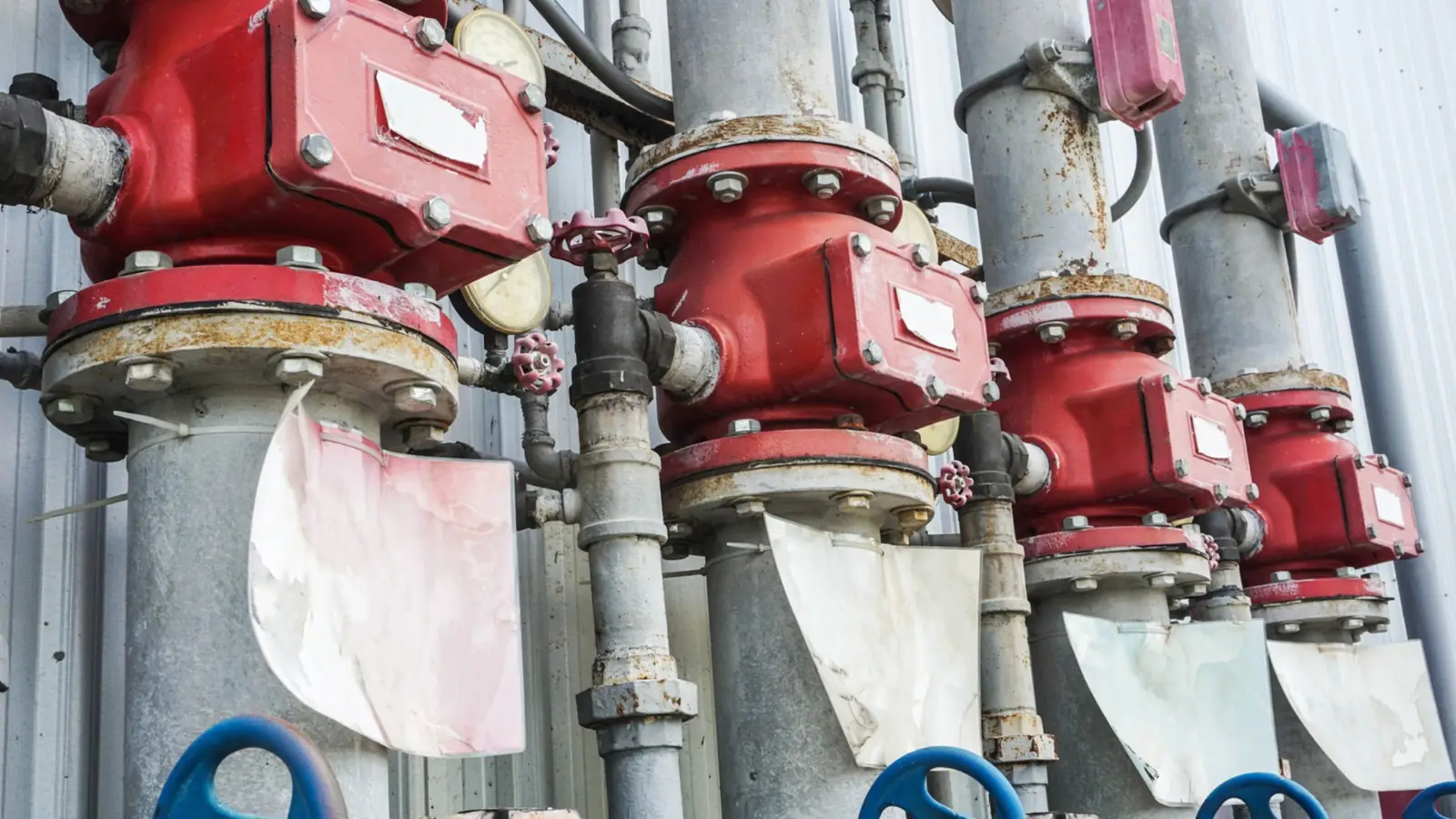
Winterizing Commercial Sprinkler Systems: Frozen Pipes, Dry Pipe Valves, and Heat Checks
A frozen sprinkler pipe leaves part of a building unprotected, and a split pipe floods it when the ice melts. The Fire Code's winter rules and a fall checklist keep your system working through January.
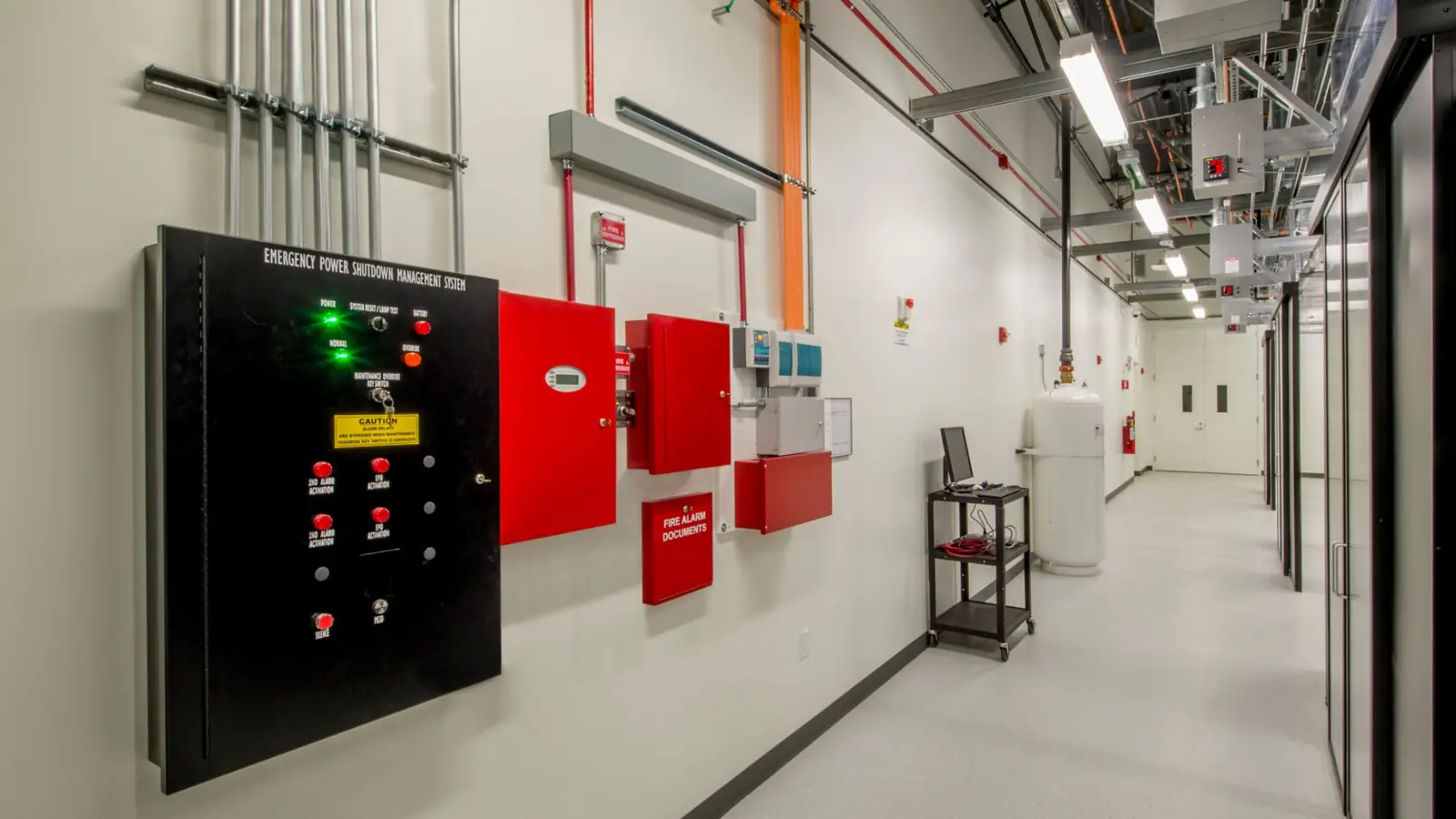
Fire Alarm Panel Signals: Trouble, Supervisory, and Alarm, and What to Do for Each
Your fire alarm panel shows three kinds of signals, and each one asks for a different response. Learn what trouble, supervisory, and alarm mean, and what to do when each light comes on.
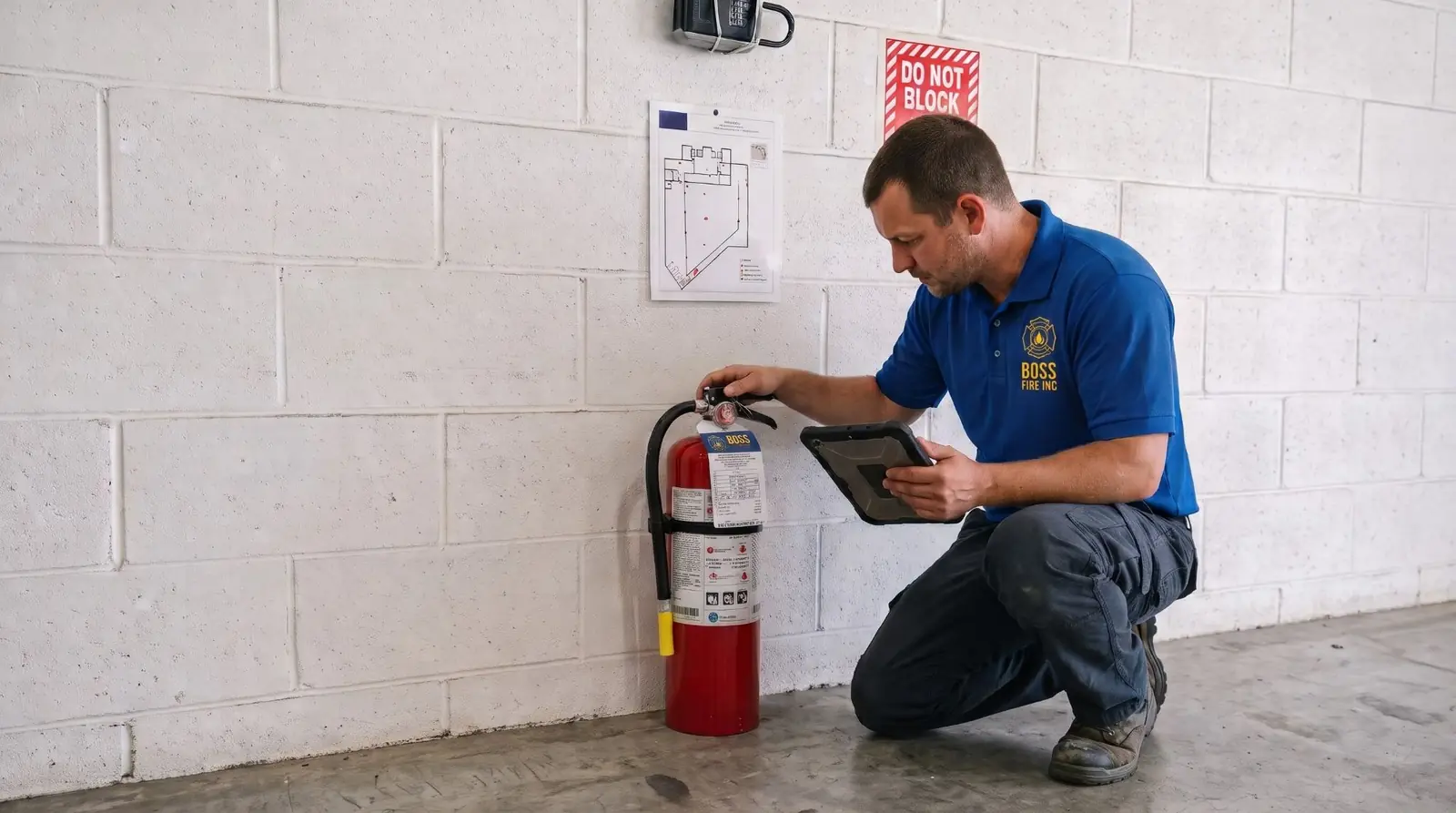
What Fire Extinguisher Inspection Costs in Ontario, and What Changes the Price
Boss Fire's annual inspection starts at $40 per extinguisher, per year. This guide covers what that price includes, what can add to the bill, and the questions to ask when you compare quotes.
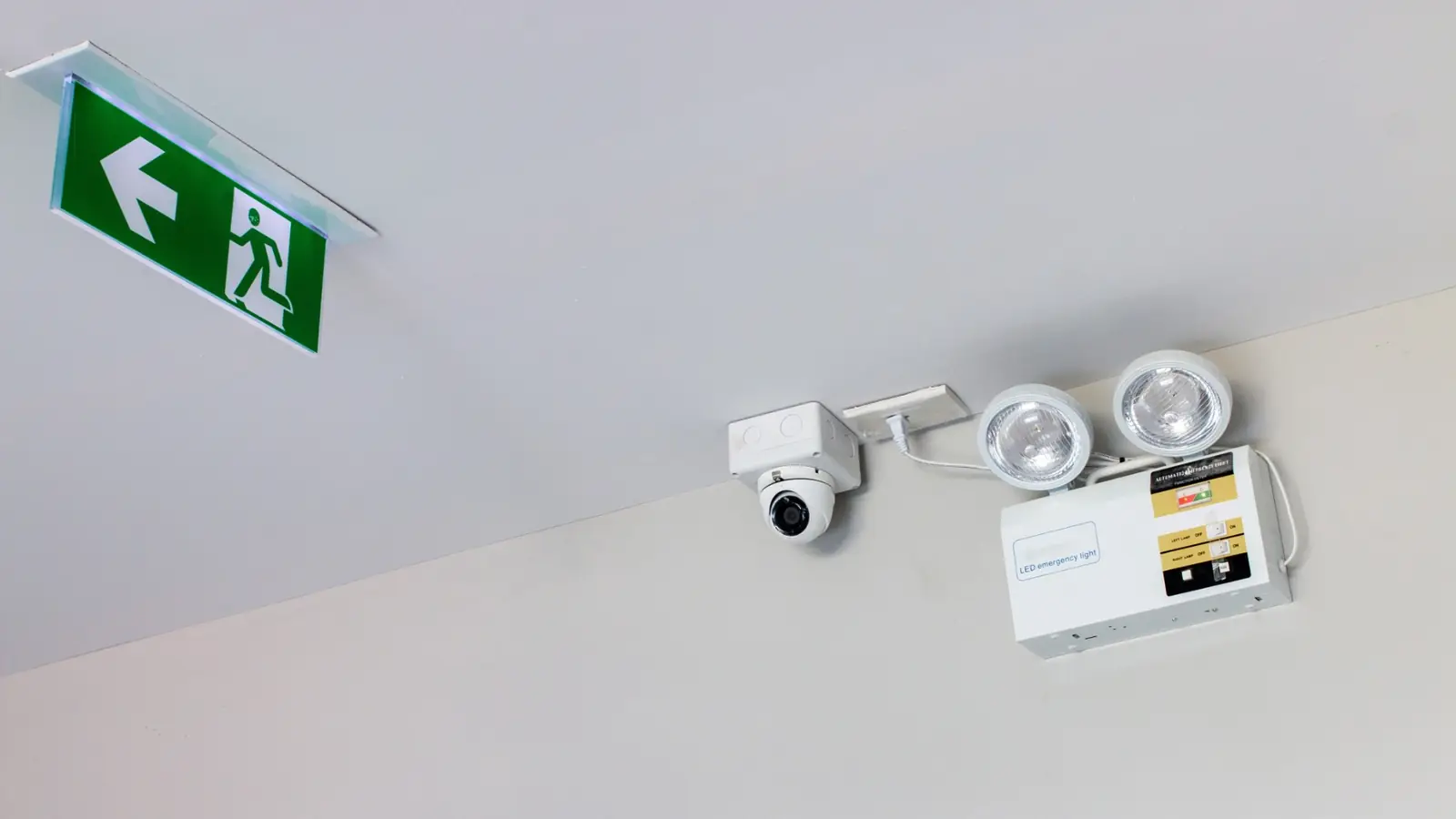
Emergency Lighting Inspection in Ontario: Monthly Checks and the Annual Test
Ontario requires a monthly check and test of every battery emergency light and a yearly full-duration test. This guide walks through each step, the required durations, and the records a fire inspector expects to see.

Ontario Fire Code Inspection Checklist for Commercial Buildings
A system-by-system checklist for Ontario commercial buildings. For each fire protection system, it covers what the fire inspector looks at, who does the work, how often, and which records to keep.
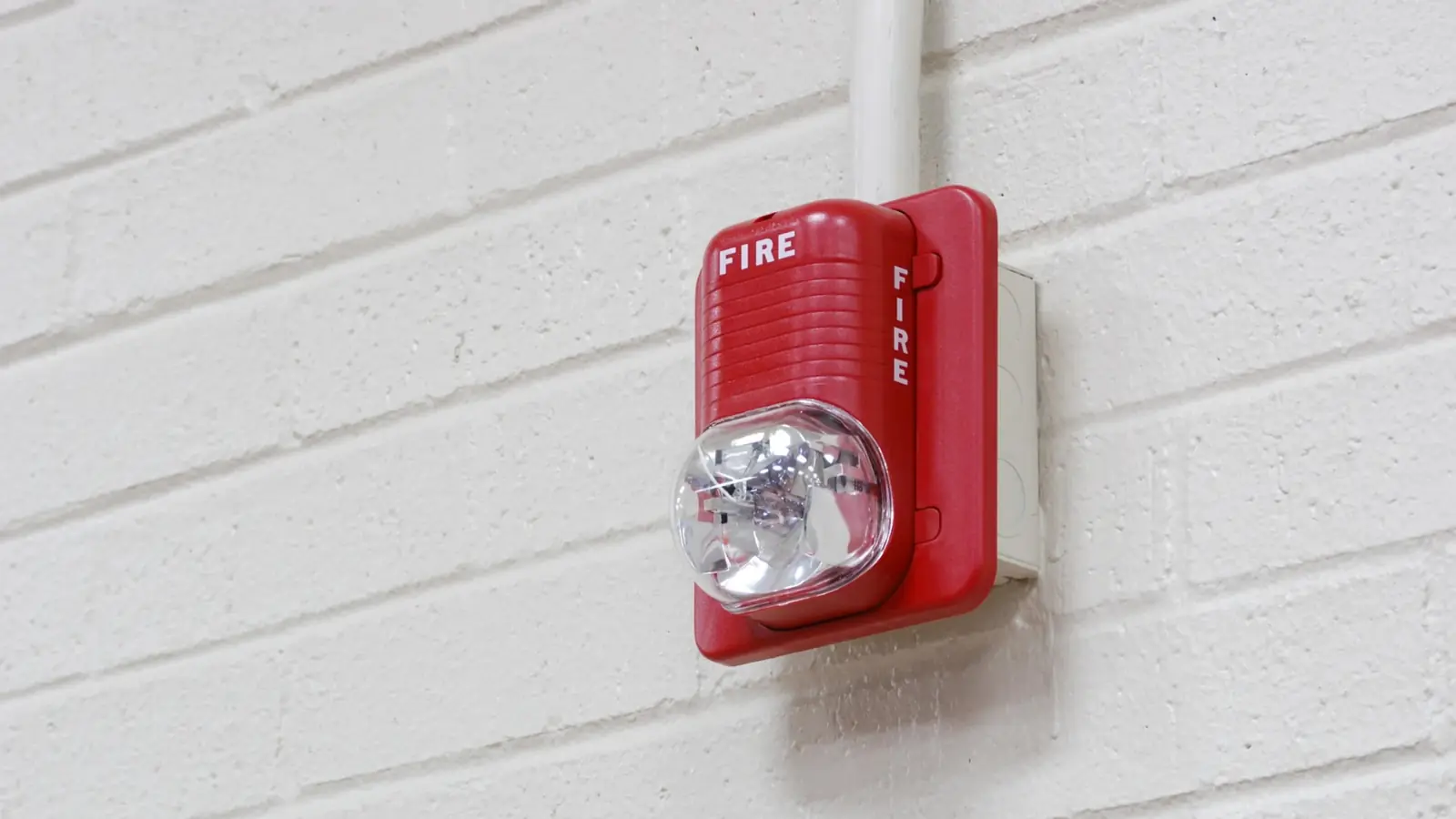
Annual Fire Alarm Inspection in Ontario: What Gets Tested Under CAN/ULC-S536
The Ontario Fire Code requires every fire alarm system to be inspected and tested to CAN/ULC-S536. This guide covers what happens on inspection day, the checks that fall to you in between, and the records to keep.
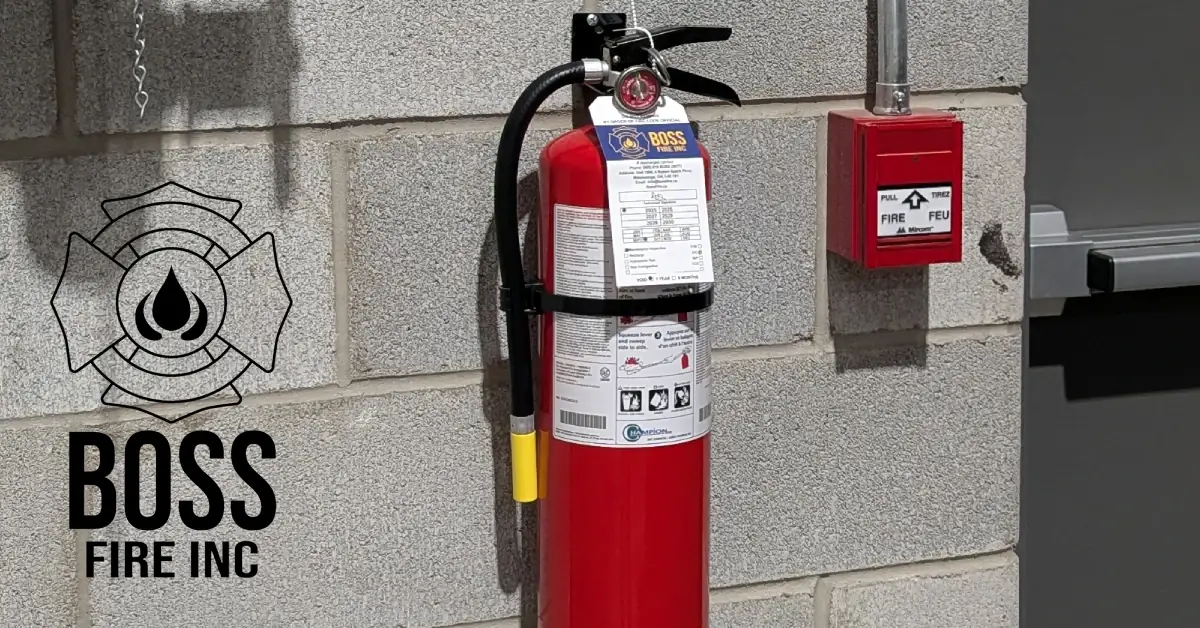
Got a Fire Code Inspection Order? How to Clear the Deficiencies Before Your Deadline
A fire inspection order lists what your building has to fix. This guide walks a property manager through reading the order, sorting the deficiencies by system, booking the work, and showing the inspector it's done.
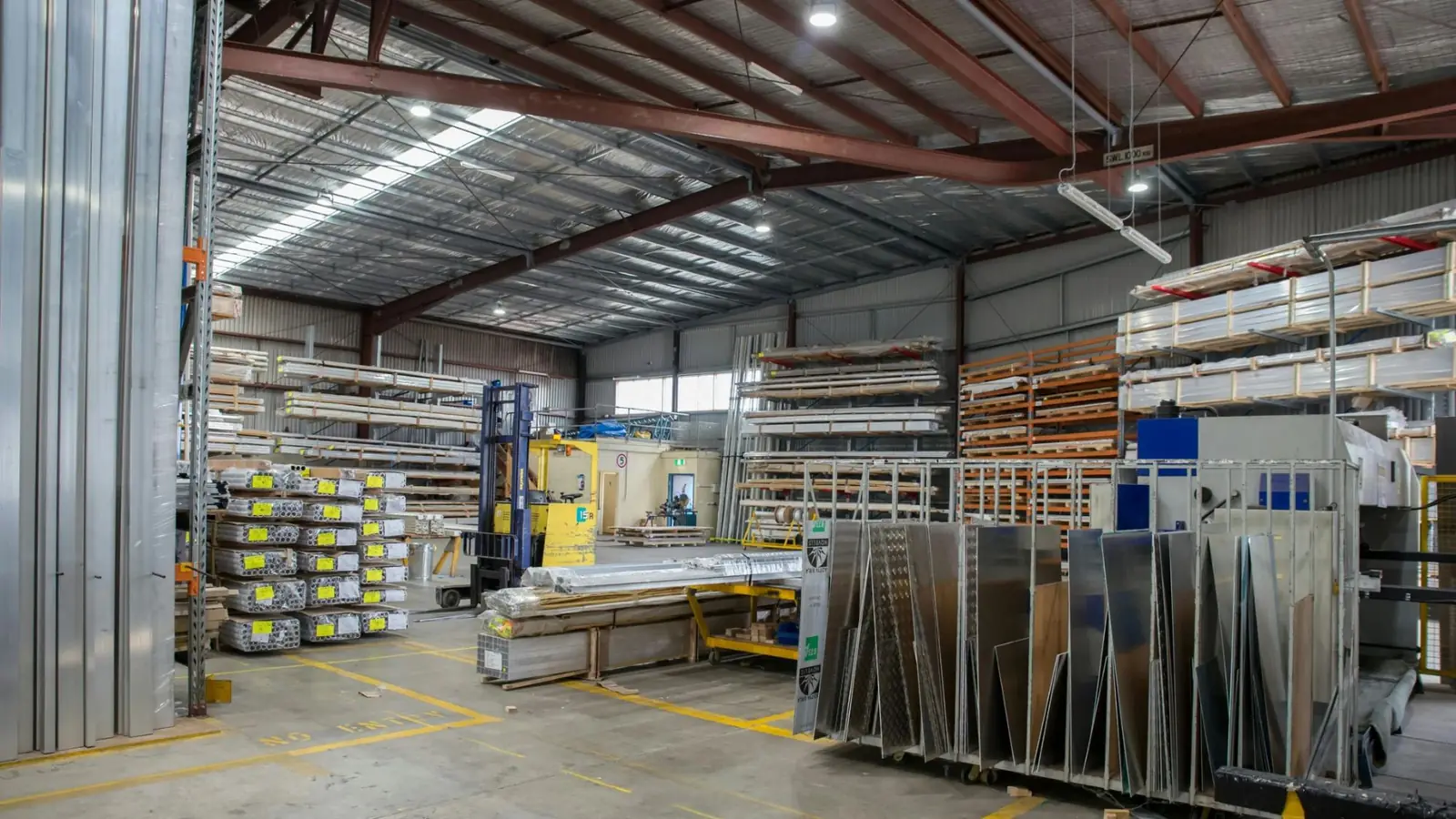
Warehouse Fire Protection in Milton: Sprinklers, Extinguishers, and Emergency Lighting
Racking height decides how much fire protection a Milton warehouse needs. See how the Fire Code grades your floor, spaces your extinguishers, protects your sprinklers, and keeps the aisles lit.
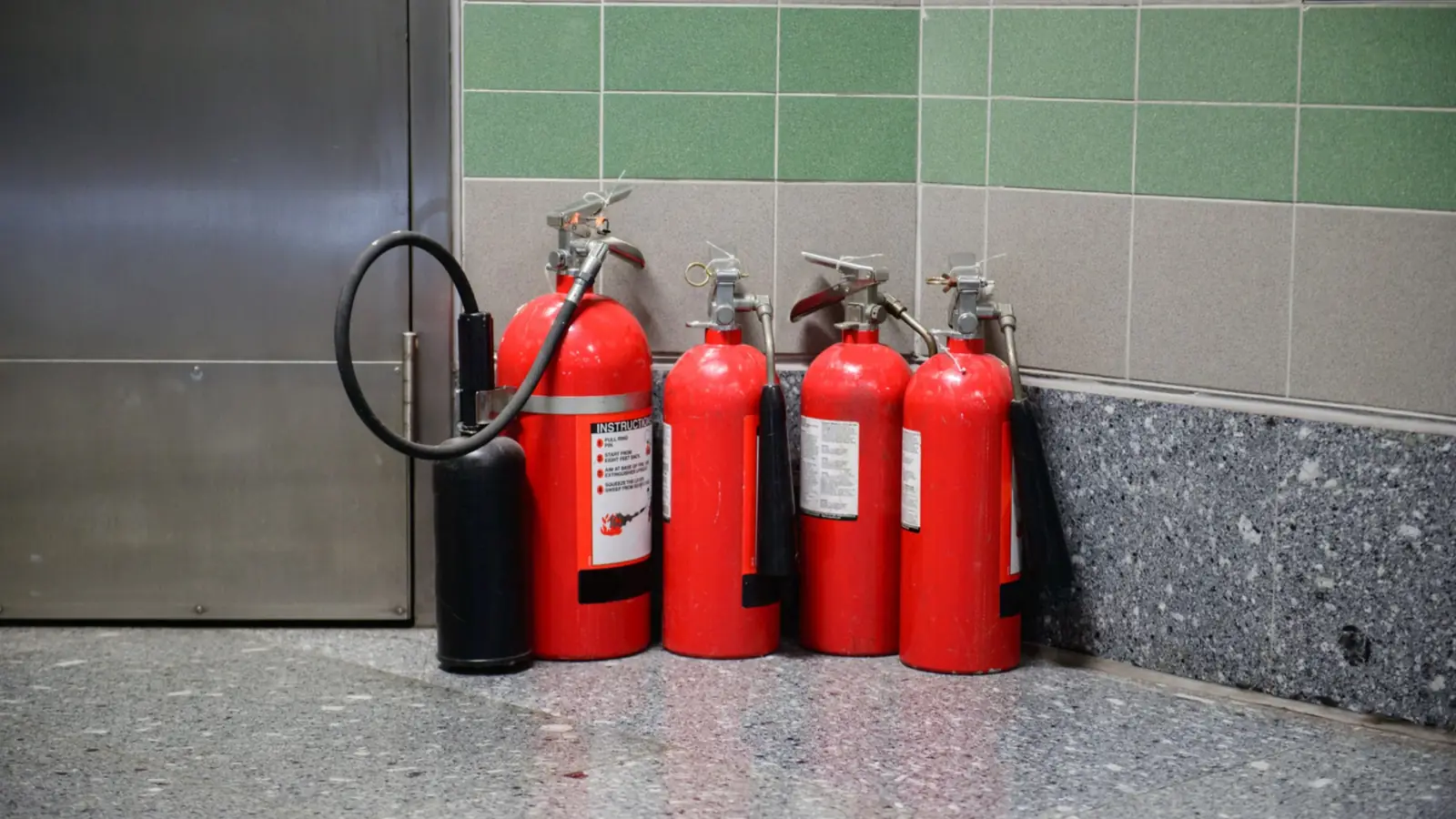
Which Fire Extinguisher Does Your Business Need? ABC, CO2, Class K, Class D, and Clean Agent
Every Ontario building needs extinguishers rated for Class A fires. Kitchens, electrical rooms, flammable liquids, and metal shops each add their own type. Match each extinguisher to the area it protects.

Fire Inspections in Milton: How Milton Fire & Rescue Inspects Businesses, and How to Prepare
Milton Fire & Rescue Services inspects business and commercial properties against the Ontario Fire Code. You get notice first, you can request a visit yourself, and you can have every tag, log, and report ready before it happens.
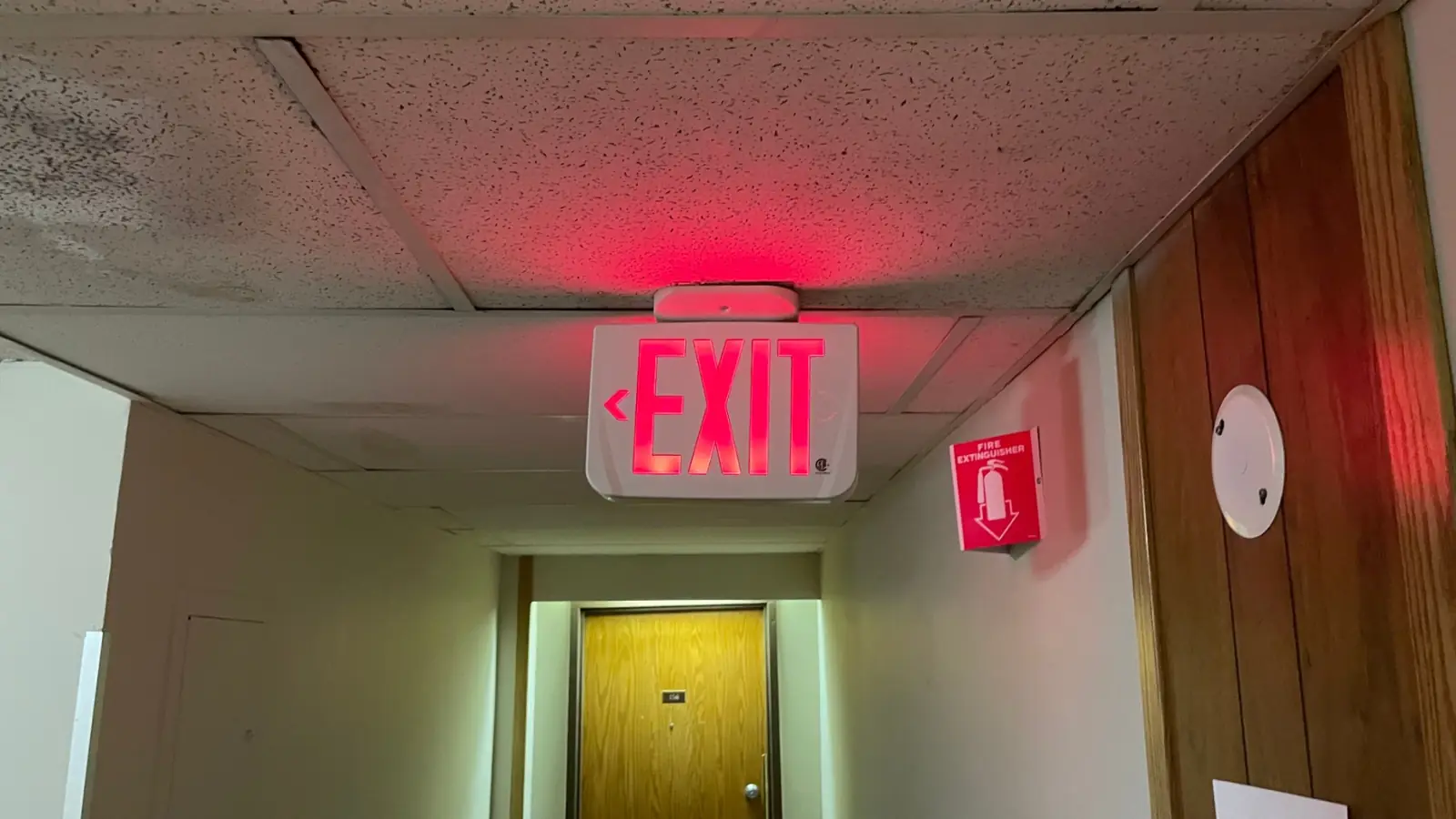
Exit Signs in Ontario: Green Running Man Rules, Placement, and Failed Tests
Green running man signs have been required in new Ontario buildings since 2014, but that doesn't mean every red EXIT sign has to come down. This guide covers the rules, the test schedule, and the common reasons a sign fails.
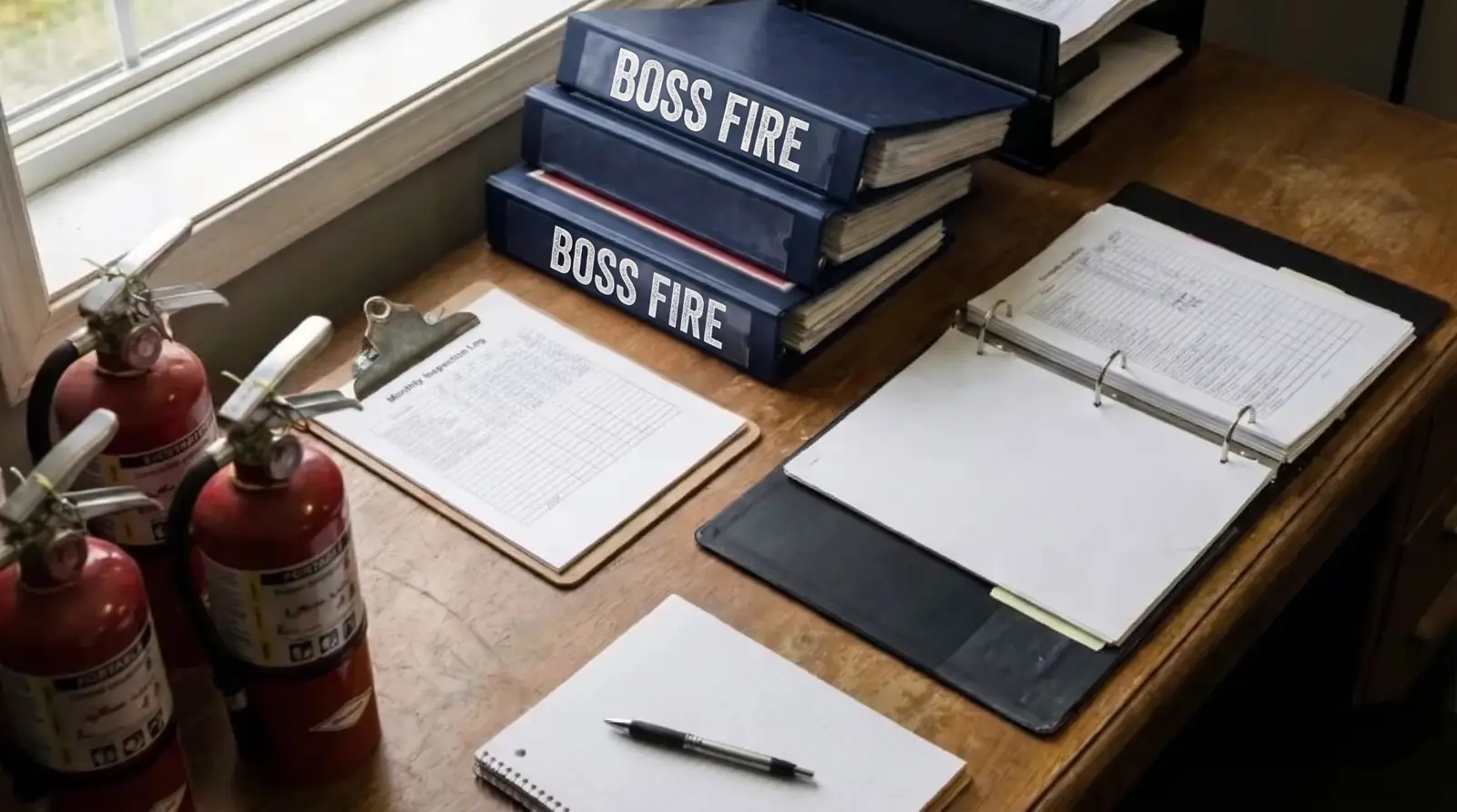
The Fire Safety Documents Your Insurer Asks For
Ontario has no single fire safety certificate for a commercial building. Your proof is a set of reports, tags, and test records, one for each system. See which ones to keep and where each comes from.
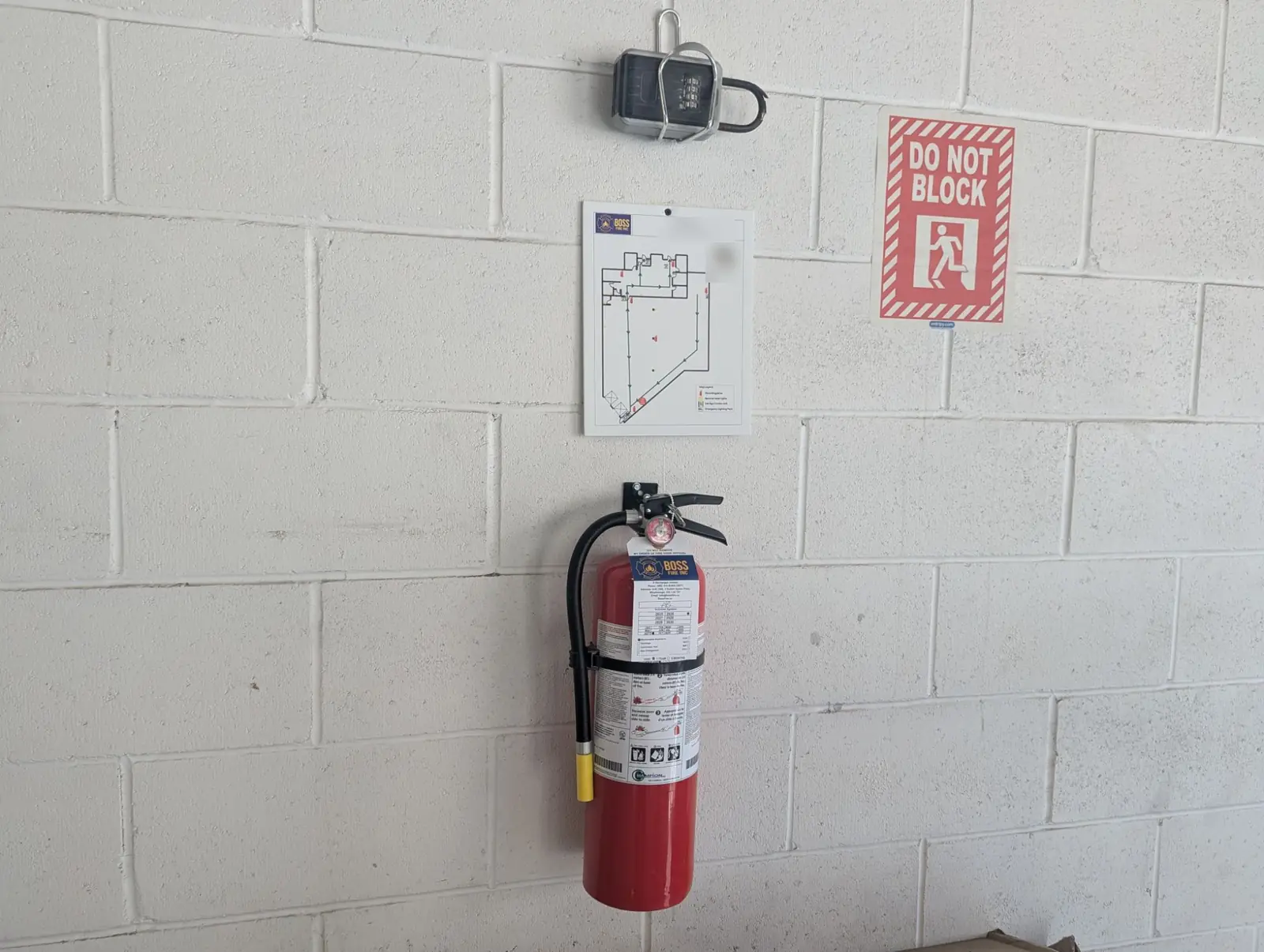
How Many Fire Extinguishers Does Your Building Need? Ontario Placement Rules Explained
The Ontario Fire Code sets its own extinguisher placement rules, and they differ from the US numbers most websites quote. Work out your count from floor area, hazard grade, and the 25 m travel limit.

Why Your Fire Alarm Keeps Going Off: False Alarm Causes and Fixes for Commercial Buildings
A fire alarm that sounds with no fire is telling you something about a detector, a space, or the wiring. Learn the common causes in commercial buildings and the fix for each one.
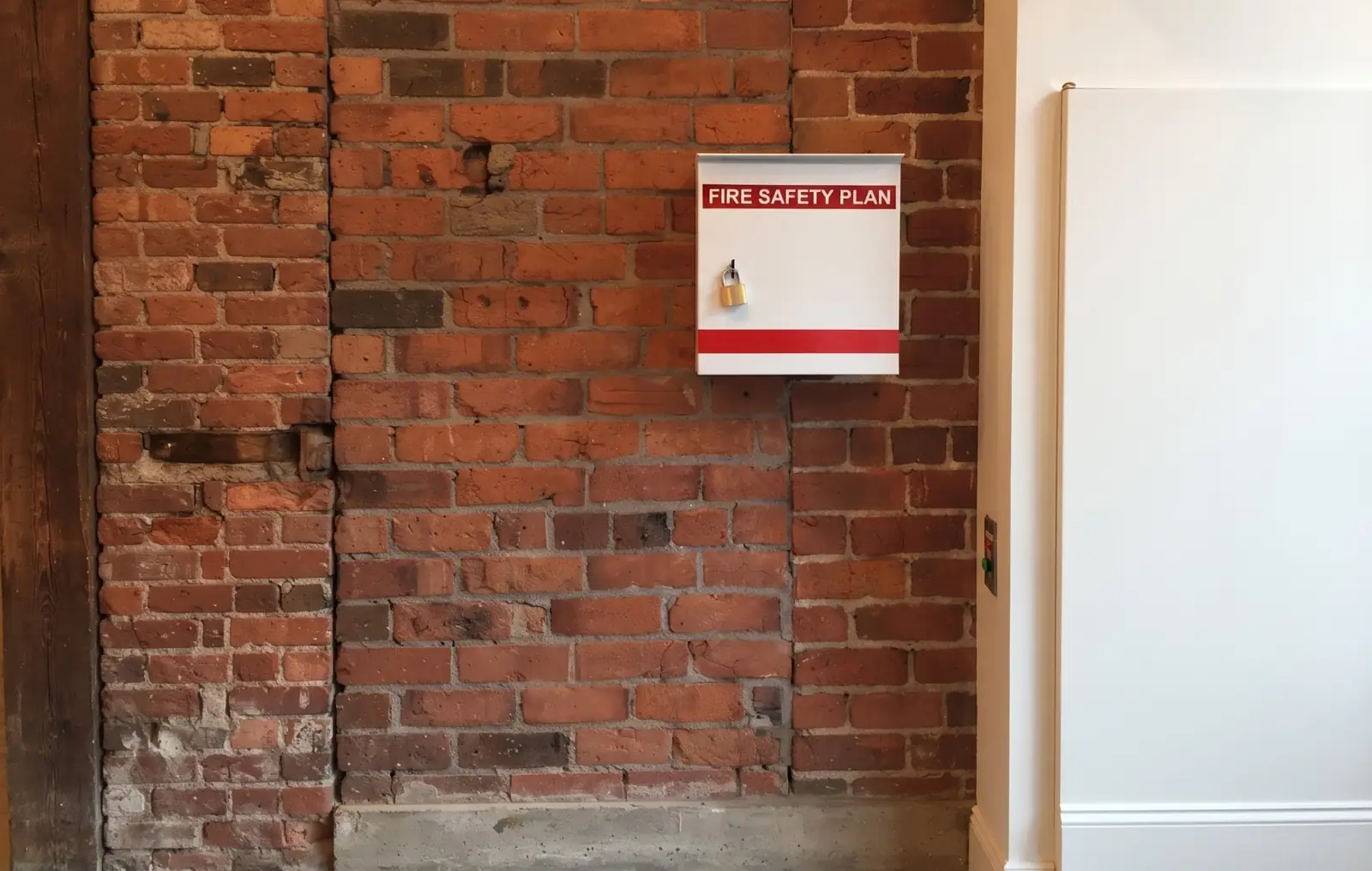
Fire Safety Plans in Ontario: Who Needs One, What Goes in It, and What to Post
Section 2.8 of the Ontario Fire Code requires an approved fire safety plan in many commercial buildings. Find out whether yours is one of them, what the plan must contain, and what goes on the wall of each floor.
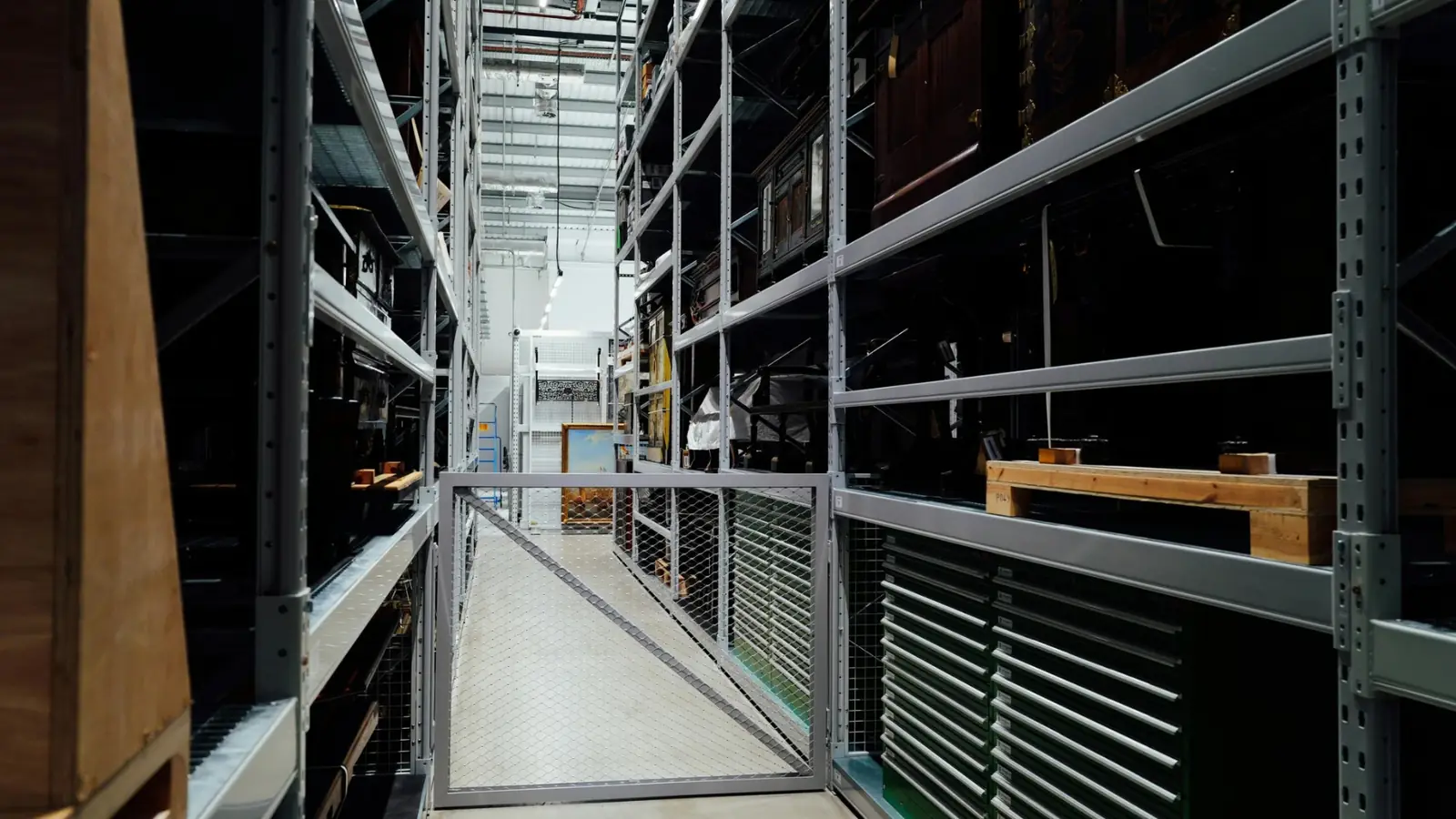
Lithium-Ion Battery Storage: Fire Safety for Ontario Warehouses and Shops
E-bike packs, forklift batteries, power tools, and boxes of returned devices all hold lithium-ion cells. Set up charging, storage, and fire protection so one bad battery stays a small problem.
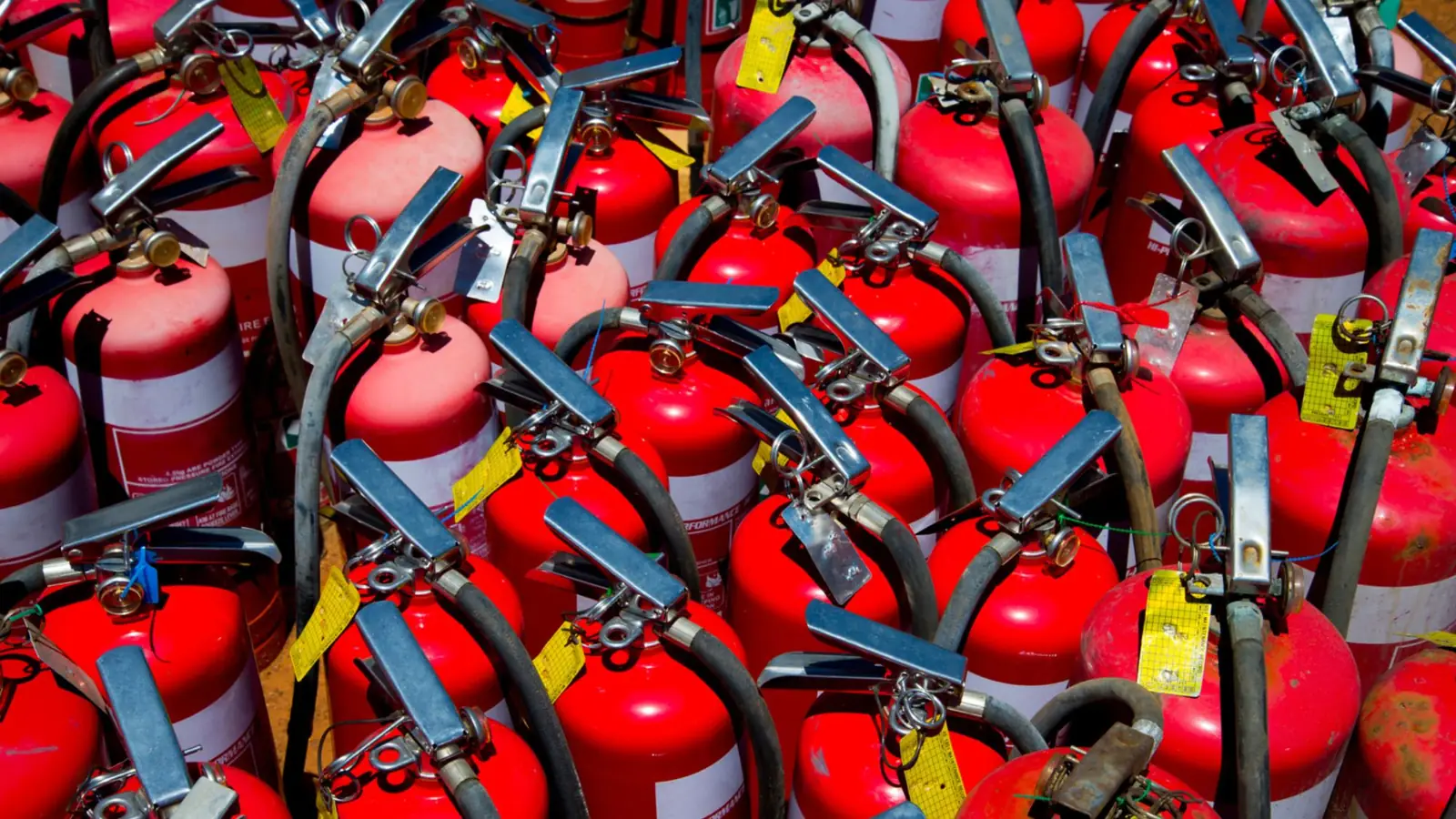
Fire Extinguisher Certification in Ontario: The Annual Tag or Staff Training?
Fire extinguisher certification can mean the annual tag on the unit or a training certificate for a person. The Ontario Fire Code treats the two differently, and an inspector checks only one of them on your walls.
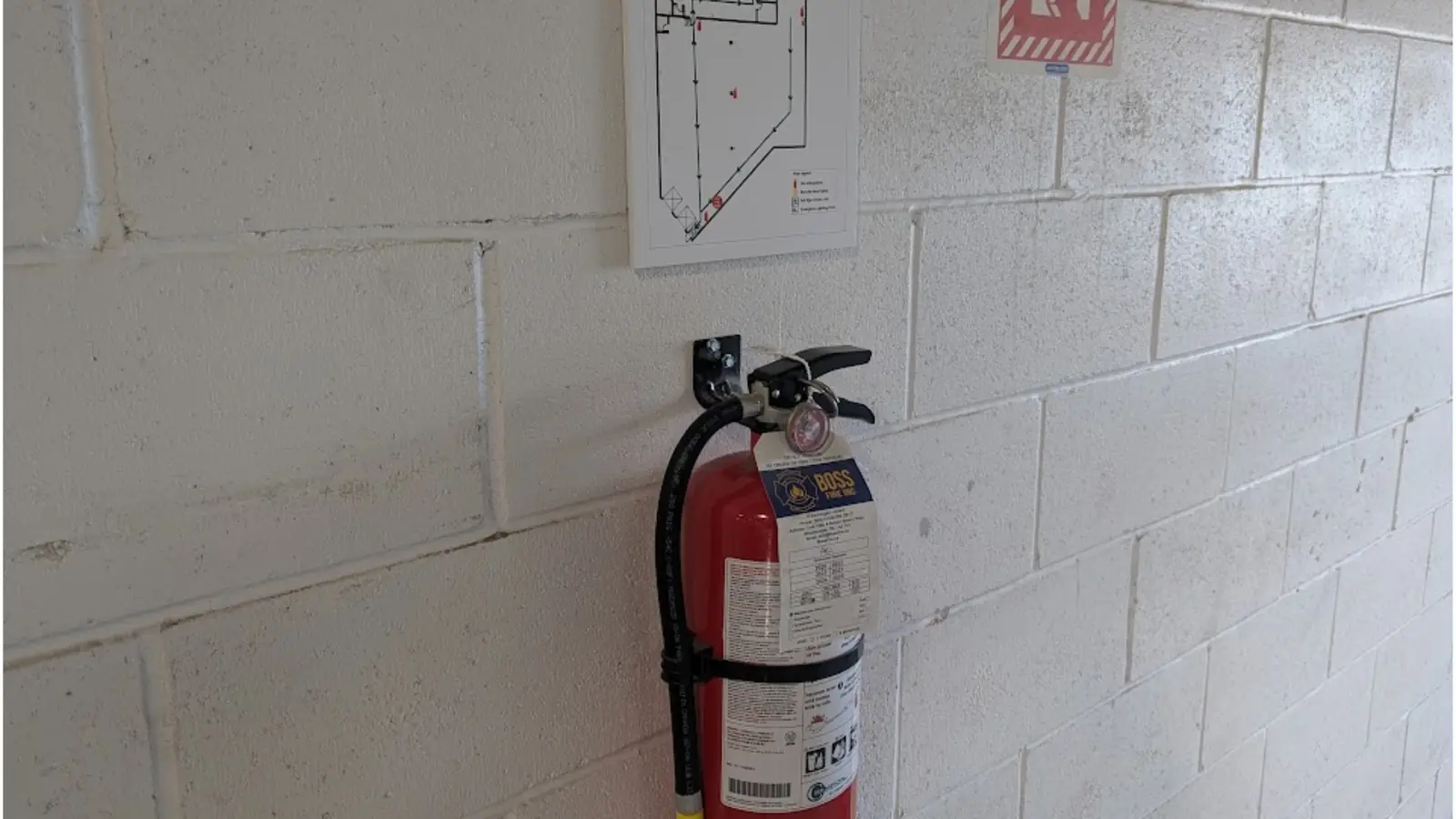
How to Use a Fire Extinguisher: The PASS Method Explained
A portable extinguisher discharges in 10 to 20 seconds. Here is the PASS method, how to decide whether to fight the fire at all, and what has to happen after a unit has been used.
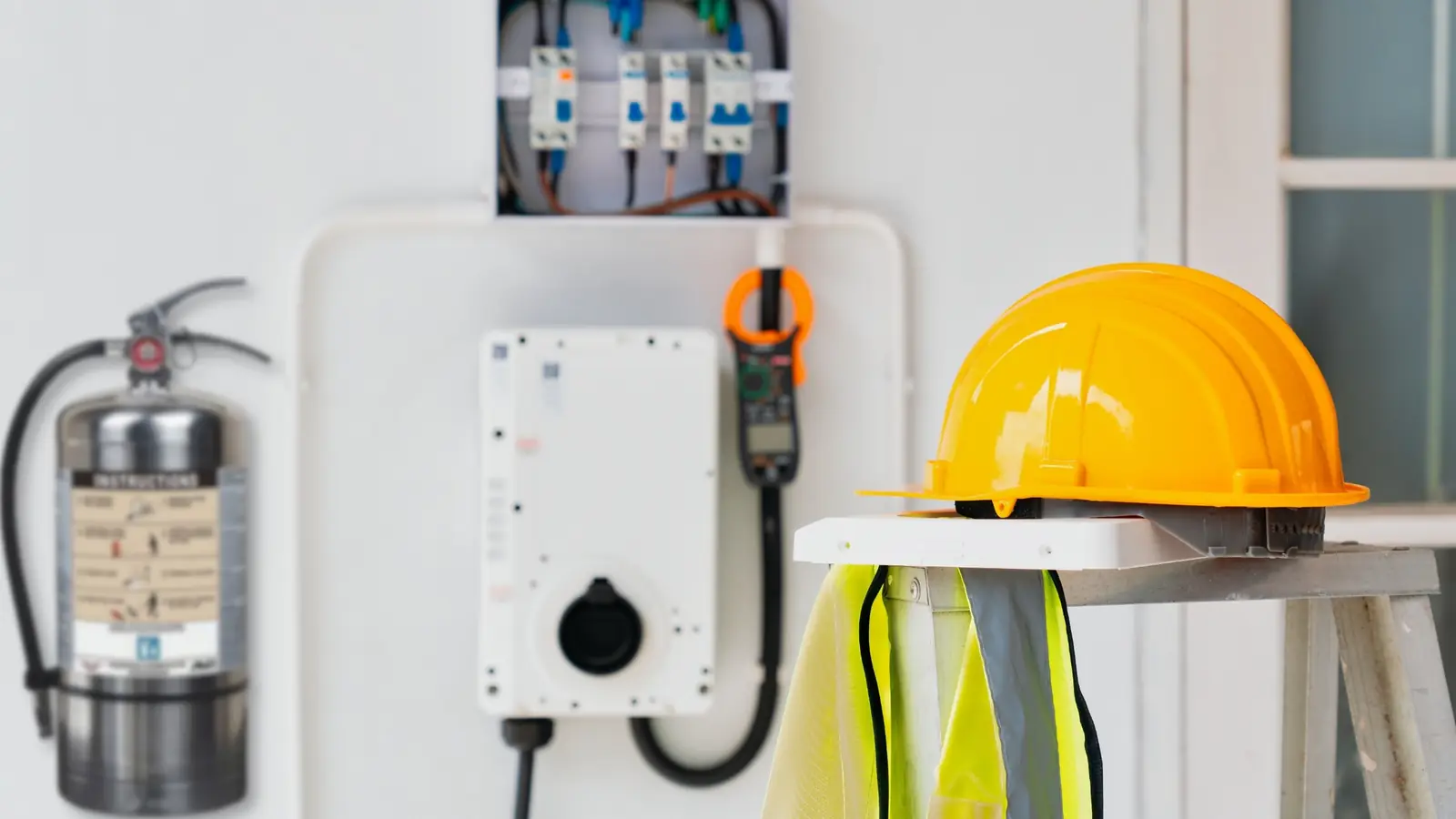
AVD Fire Extinguishers: What They Are and Why Lithium-Ion Batteries Need Them
Lithium-ion battery fires generate their own heat and gases, so conventional extinguishers knock down the flames without stopping the reaction. Here is how AVD works, what it is tested to, and where it belongs in a commercial building.
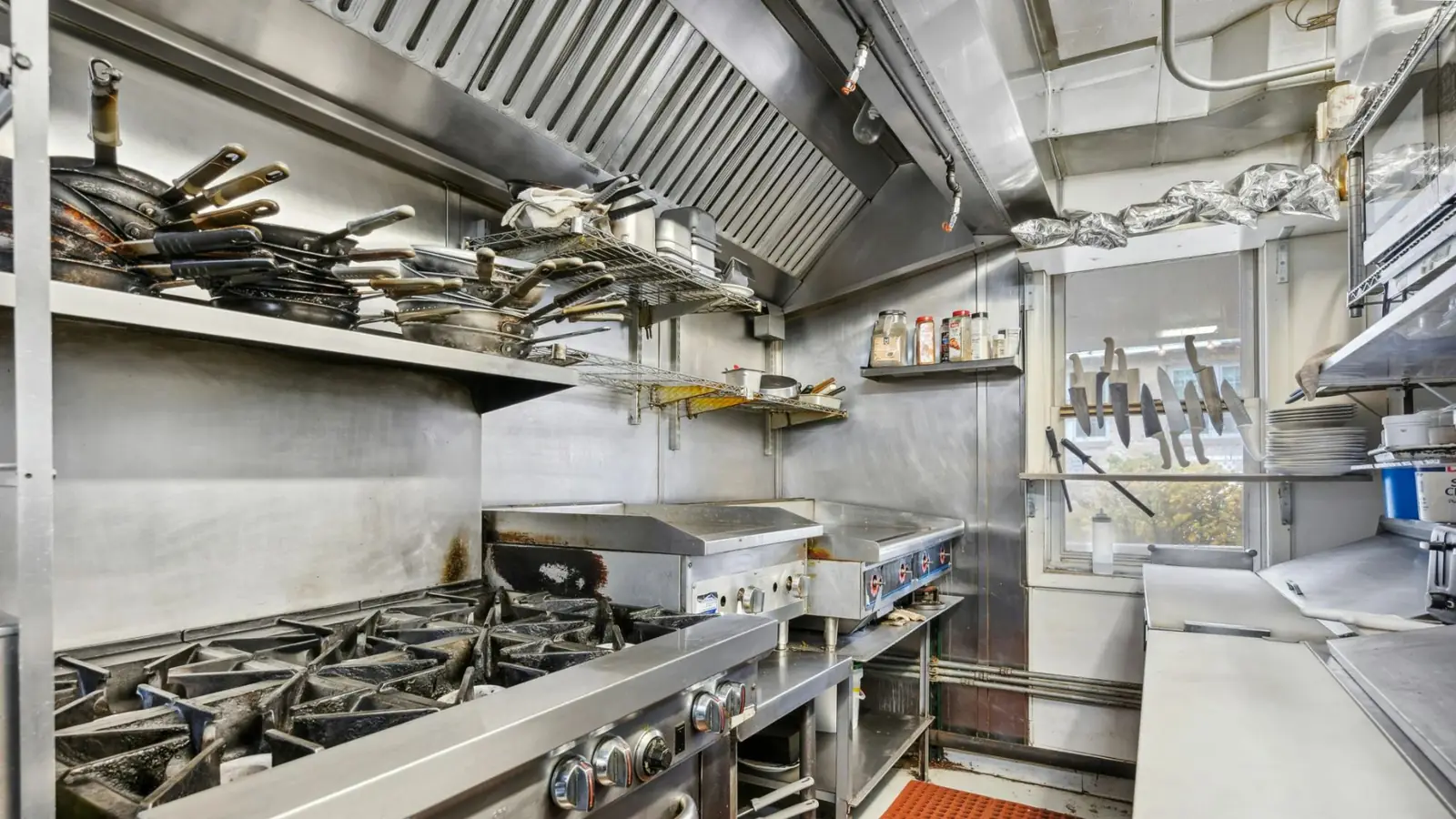
Opening a Restaurant in Ontario: The Fire Inspection Checklist
A fire inspector checks your kitchen, dining room, and exits before you open. This checklist covers the Ontario Fire Code items, the liquor licence letter, and the paperwork to have ready.
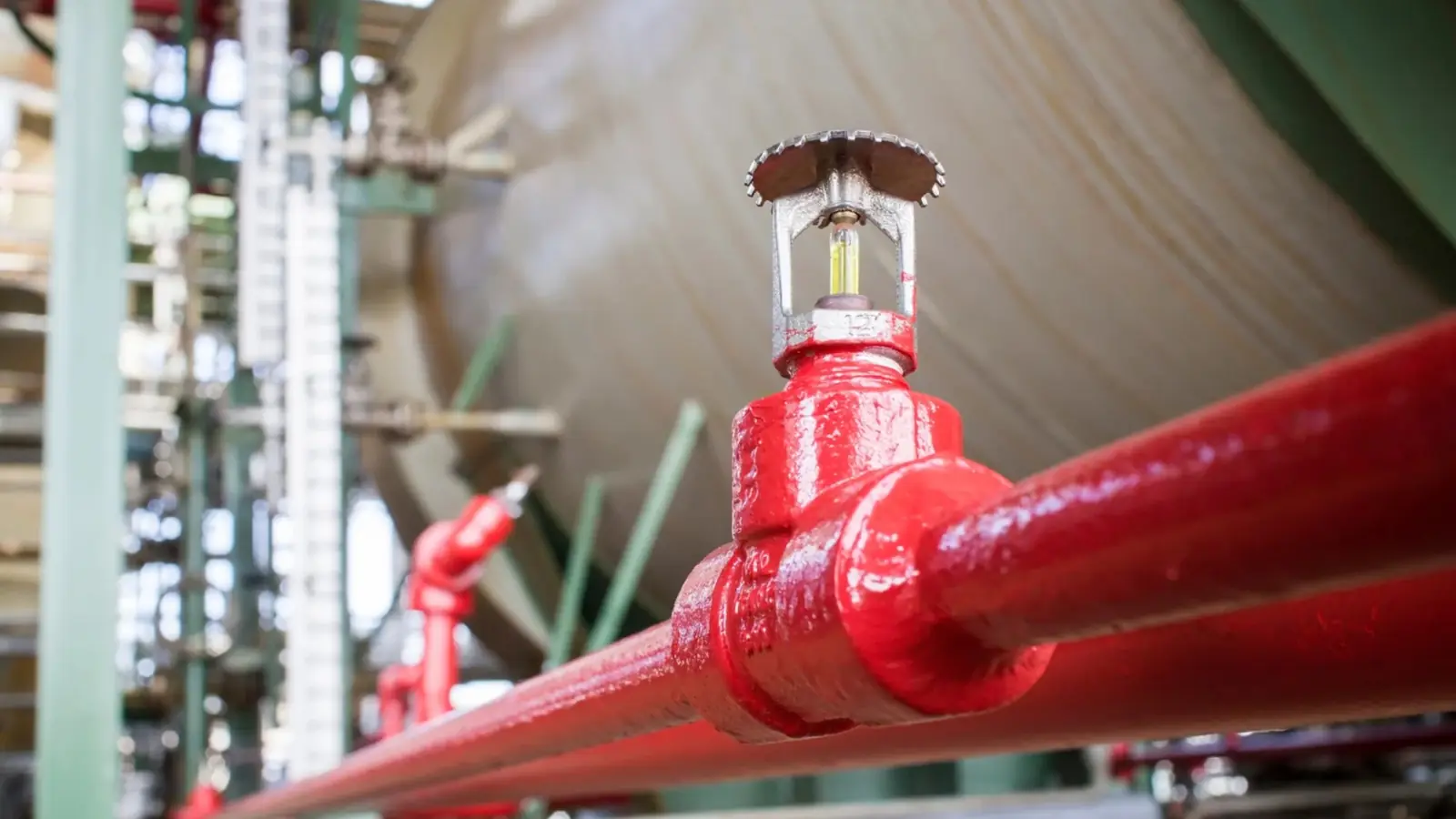
A Fire Sprinkler Went Off: What to Do in the First Hour
Water is coming out of the ceiling and the alarm is ringing. Check for fire, close the right valve, make the calls, protect your stock, and get the sprinklers back in service, in that order.

Commercial Landlord or Tenant: Who Is Responsible for Fire Safety in Ontario?
The Ontario Fire Code puts fire safety on the owner, and a commercial tenant can count as one. See what the Code says, how leases usually divide the work, and how to make sure nothing falls between landlord and tenant.
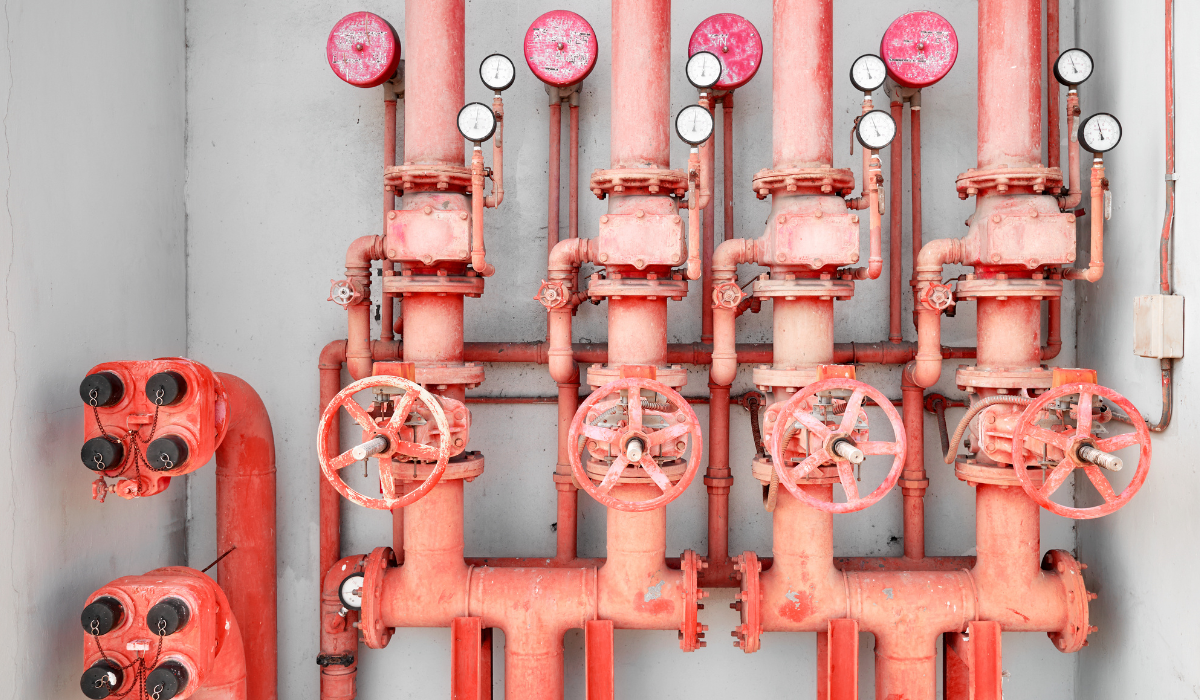
Commercial Sprinkler System Inspection in Ontario: The Full NFPA 25 Schedule
A sprinkler system can look fine and still fail when it matters. NFPA 25 sets weekly, quarterly, annual, and five-year checks to make sure it works. Here is the complete schedule for GTA commercial buildings, explained in plain language.
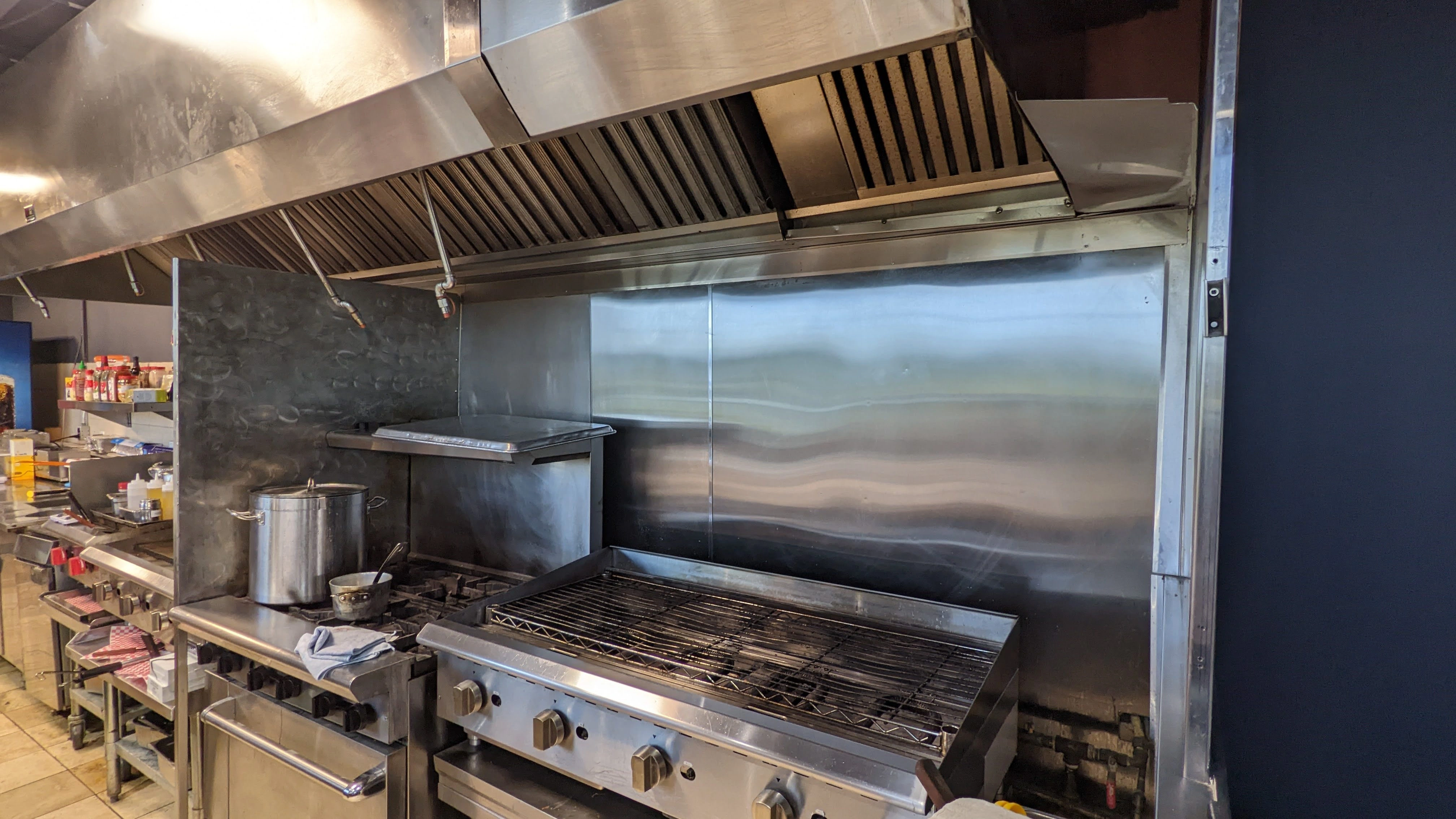
Commercial Kitchen Fire Suppression Systems: Ontario Inspection Rules Explained
Every commercial kitchen in Ontario needs its fire suppression system inspected twice a year. Here is what NFPA 96 requires, what a proper inspection actually covers, and why hood cleaning does not count toward it.
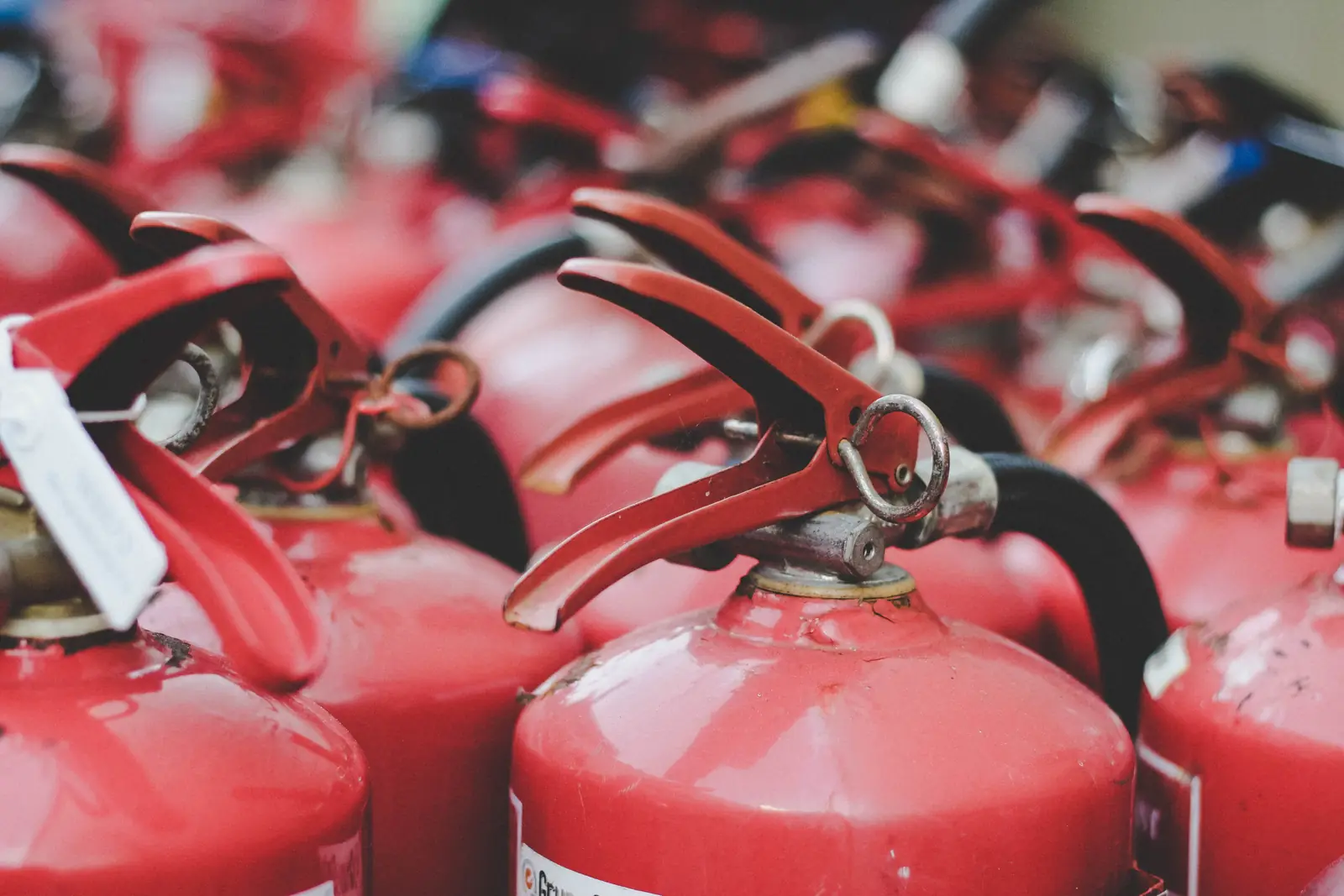
Why Fire Extinguishers Are Your First Line of Defence, and Why Most Ontario Businesses Get Them Wrong
The right extinguisher, in the right location, maintained to the right standard: that's the difference between a contained incident and a total loss. Here's what NFPA 10 actually requires for your Ontario business.
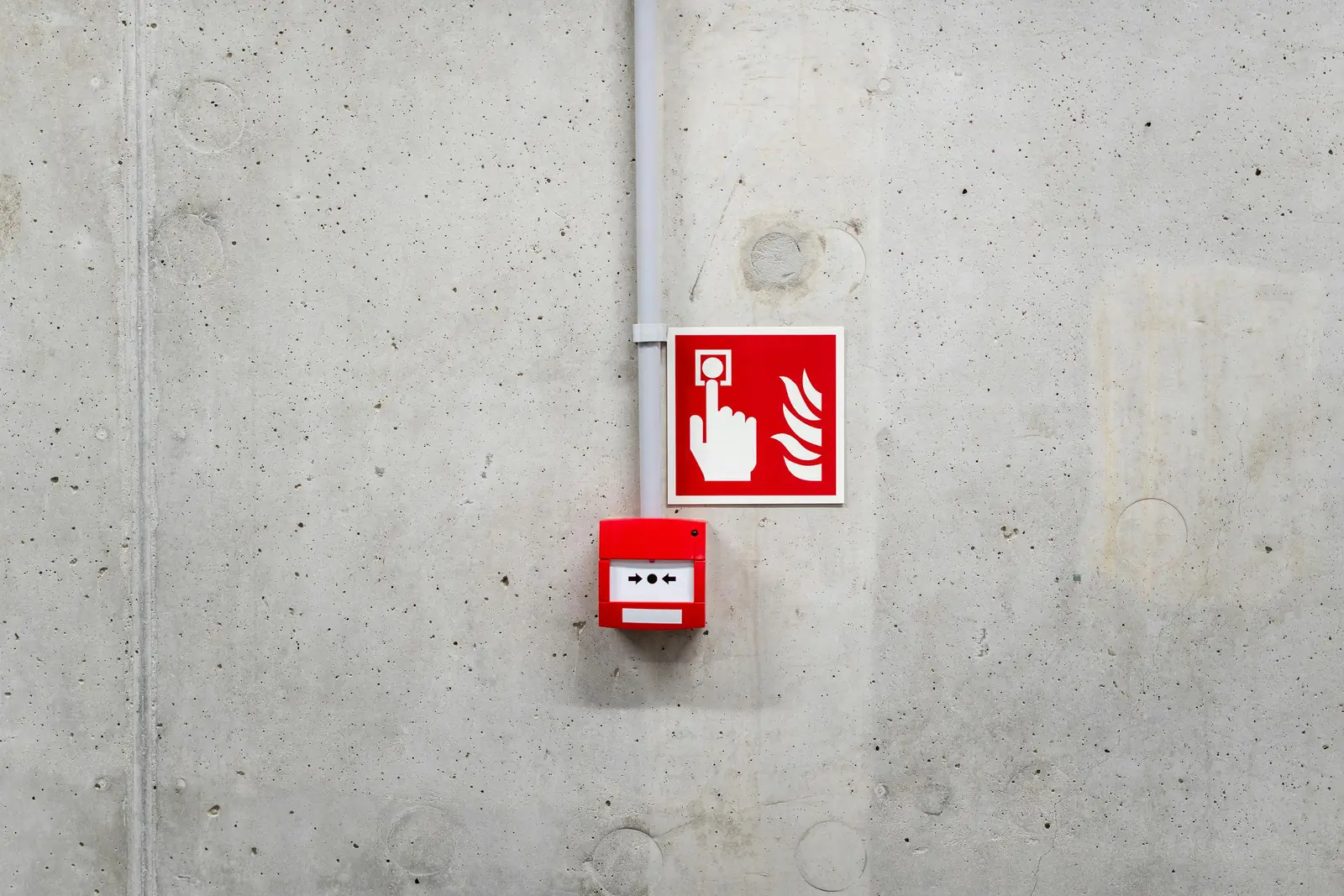
Ontario Fire Code 2026: New Regulations Every Commercial Business Owner Must Know
The Ontario Fire Code changed on January 1, 2026. New fire alarm inspection standards, expanded CO alarm rules, integrated system testing and stricter records. Here is what changed, what non-compliance can cost, and what your business needs to do.
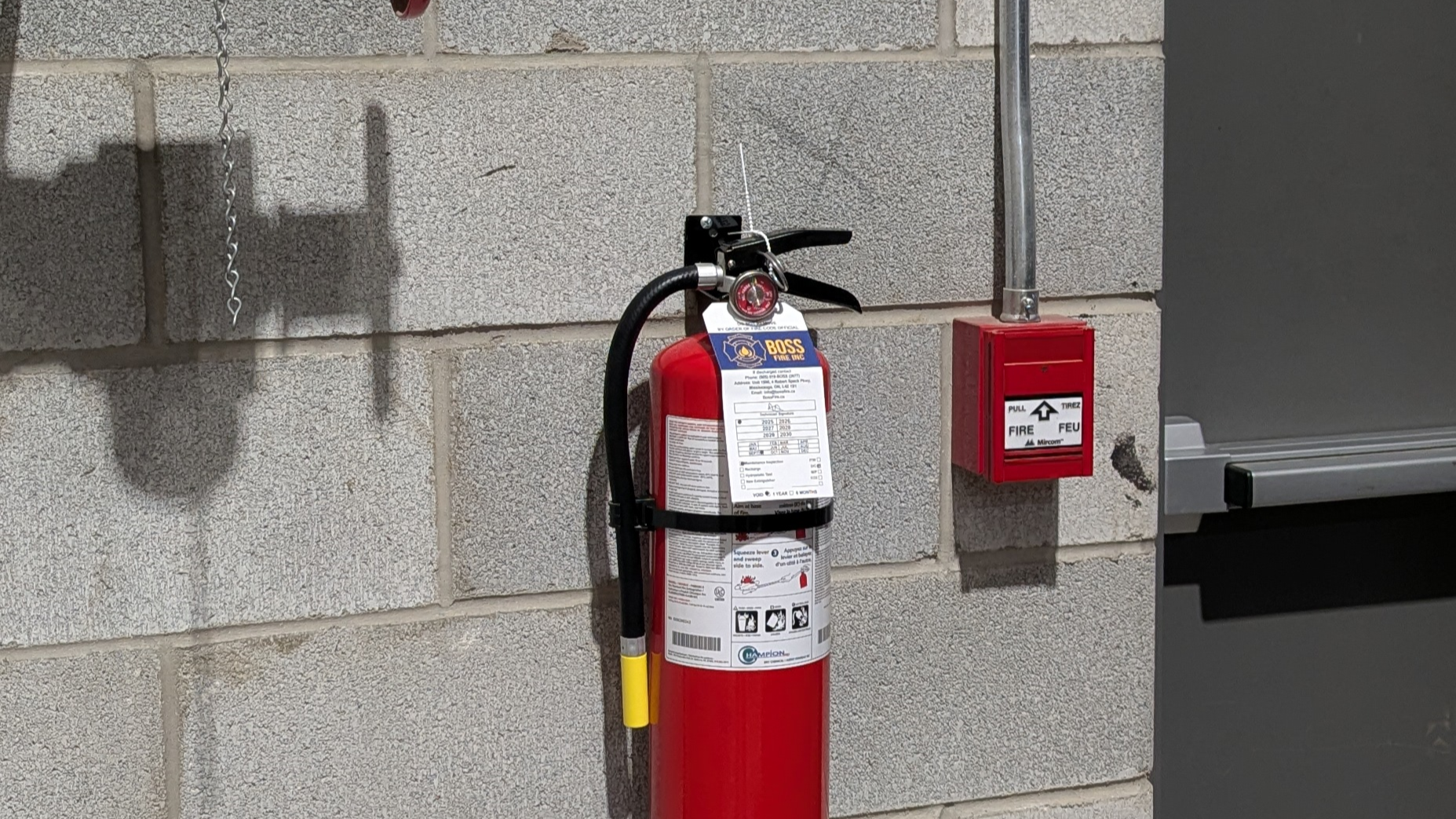
How Often Should a Fire Extinguisher Be Inspected? Ontario Requirements Explained
Most Ontario businesses know their extinguishers need inspecting, but few know there are four distinct levels with different rules on who can perform them. Here's the full NFPA 10 schedule.